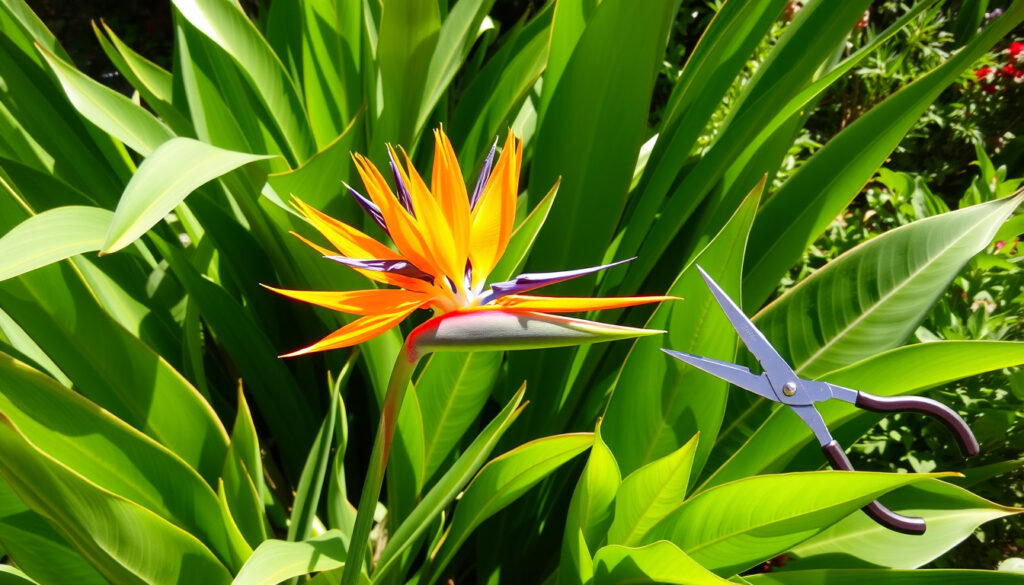
Bird of Paradise Plant NZ: Care, Growing & Pruning Tips
Few indoor plants turn heads the way a Bird of Paradise does — architectural, paddle-shaped leaves make any room feel like a tropical escape. New Zealand gardeners can source Strelitzia reginae from Bunnings or Mitre 10 and succeed with it by mastering three basics: light, water, and patience.
Common variety in NZ: Strelitzia reginae ·
Preferred light: Full sun ·
Flower colors: Orange, purple, white ·
Retailers: Bunnings, Mitre 10 ·
Giant variety: Strelitzia nicolai
Quick snapshot
- Strelitzia reginae thrives in full sun and tolerates coastal conditions Kings Plant Barn NZ
- Water when top 25mm of soil is dry The Plant Company NZ
- Repot every 2-3 years Soltech
- Exact flowering success rates indoors vary by individual home conditions
- Winter protection specifics for southern NZ regions require local adaptation
- Growing season kicks off in spring; fertilise in September The Plant Company NZ
- Reduce watering in winter months The Plant Company NZ
- Plan repotting for early spring if roots are circling the pot Gardenia.net
- Seed-grown plants may take several years before first blooms appear The Plant Company NZ
The table below summarises the key specifications for growing Bird of Paradise in New Zealand conditions.
| Attribute | Details |
|---|---|
| Scientific name | Strelitzia reginae |
| Flower description | Orange, purple, white on long stems |
| Growth habit | Clump of long leafy stems |
| NZ suitability | Common in gardens nationwide |
| Optimal temperature | 18-27°C |
| Watering guide | Top 25mm dry before watering |
| Repot frequency | Every 2-3 years |
| Sunlight | Bright indirect or full sun |
How do you take care of a Bird of Paradise plant NZ?
Bird of Paradise care in New Zealand comes down to three things: light, water, and patience. The Plant Company NZ notes that the key to keeping one thriving is watering when the top 25mm of soil is dry, protecting it from cold drafts, and feeding with indoor plant fertiliser in spring and again in autumn. They’re not fussy, but they do have clear preferences that reward a bit of attention.
Light and position
According to The Plant Company NZ, Bird of Paradise thrives in bright, indirect sunlight indoors and full sun outdoors in NZ conditions. Kings Plant Barn NZ confirms that Strelitzia loves full sun, making it well-suited to coastal or dry NZ gardens. Place indoor plants near your brightest window — north-facing is ideal — but avoid cold drafts from poorly sealed panes.
Watering and soil
Water when the top 25mm of soil is dry, more frequently in spring and summer, and less in winter. The Plant Company NZ advises using filtered or rainwater since these plants are sensitive to chlorine. For pots, use a well-draining potting mix — never plain garden soil or undrained compost. Ground-planted specimens appreciate the same drainage logic outdoors.
Root rot is the most common killer of potted Bird of Paradise. Letting that top layer dry out before watering mimics their natural dry season pause and keeps roots healthy.
Fertilizing
Feed with indoor plant fertiliser in spring and autumn, according to The Plant Company NZ. The Green Grower NZ recommends liquid fertiliser indoors during spring and summer, with controlled-release granules applied outdoors once annually. Soltech suggests a balanced water-soluble fertiliser every 4-6 weeks during the growing season for particularly hungry specimens.
Consistent fertilising produces visibly larger leaves and more frequent flowering in established plants.
Where is the best place to plant a Bird of Paradise?
Positioning matters enormously with this plant. According to The Plant Company NZ, outdoor planting requires full sun and good drainage. Kings Plant Barn NZ recommends coastal or dry garden spots where these plants truly shine. Houzz NZ notes that in regions where night temperatures drop below 10-12°C, growing Bird of Paradise indoors becomes the practical choice.
Outdoor spots
Full sun produces the most dramatic display — more flowers, more often. For ground planting, Kings Plant Barn NZ advises digging a hole twice the depth and width of the root ball and mixing in compost or sheep pellets. In clay-heavy soils, plant on a raised mound with Gypsum Clay Breaker to prevent waterlogging.
Indoor conditions
Indoors, Bird of Paradise provides lush foliage even when flowering is unlikely, according to The Plant Company NZ. A spot near a large north-facing window gives enough light. They prefer temperatures between 18-27°C and resent cold windows or air conditioning blasts. The Green Grower NZ notes that shaded positions produce fewer but larger flowers — a trade-off worth knowing if you’re after foliage over blooms.
Northern NZ gardeners enjoy more flexibility for outdoor placement than those in Otago or Southland, where frost protection becomes essential through winter.
Southern gardeners face harder trade-offs: frost tender status means outdoor survival through Christchurch winters requires either container management or acceptance of seasonal losses.
How to grow and prune a Bird of Paradise
Growing Bird of Paradise from scratch requires patience — The Plant Company NZ notes they’re slow growers, and seed-grown plants may take several years before they flower. Propagation happens via division or seed, with division being faster. Pruning is straightforward: remove damaged or discoloured leaves at the base using clean, sharp tools.
Propagation
Division is the most reliable method for home gardeners. Separate clumps in early spring, ensuring each division has several stems and a portion of root system. Seeds are viable but require soaking before sowing and demand patience — Soltech notes that fresh seeds need that pretreatment for best germination results.
Pruning tips
According to Lively Root, always prune with clean, sharp shears and sanitise tools between cuts to prevent disease spread. Remove yellowing or damaged leaves and leggy stems to encourage bushier growth. Soltech adds that deadheading faded flowers promotes continued blooming. For plants over 30cm tall, The Plant Company NZ recommends staking with tree ties to prevent leaf snap.
The Plant Company NZ notes that Bird of Paradise plants are slow growers — resist the urge to overfeed or overwater in an attempt to speed things up. Patience genuinely pays off with these specimens.
The implication: impatient interventions cause more harm than neglect in established plants.
What are common problems with Bird of Paradise plants?
Even tough plants hit rough patches. According to Soltech, maintaining high humidity through misting or a pebble tray helps prevent brown leaf edges indoors. The Plant Company NZ flags that overwatering leading to root rot is the primary killer in container-grown specimens. Watch for scale insects or spider mites, treatable with neem oil applications.
Pests and diseases
Common indoor pests include scale and spider mites, which neem oil addresses effectively. Fungal leaf spot occasionally appears — Urban Leaf NZ recommends good air circulation and avoiding wetting leaves when watering. Bacterial issues are rarer but indicated by mushy stems or foul-smelling roots, signalling root rot from overwatering.
Leaf issues
Brown leaf tips often indicate low humidity or fluoride sensitivity from tap water — switching to filtered or rainwater (as advised by The Plant Company NZ) usually resolves this. Yellowing leaves can signal overwatering or nutrient deficiency. Crispy edges suggest the plant is too close to cold glass or heaters. Drooping leaves typically mean the plant needs water.
The pattern: most leaf problems trace back to water quality or environmental stress rather than nutrient deficiency.
What is the lifespan of a Bird of Paradise?
Bird of Paradise plants are long-lived perennials when given appropriate care. Soltech notes that specimens can persist for decades in the right conditions, with some outdoor plants in mild climates flowering reliably for 20+ years. Indoor plants typically survive 10-15 years with consistent care, though flowering indoors becomes rarer as plants age.
The Plant Company NZ confirms these are slow growers — don’t expect rapid returns on your investment. Seeds can take several years to reach flowering maturity. The payoff comes when established plants reward patient gardeners with those striking orange and blue blooms that give the species its common name.
What experts say
“The key to having an amazing Bird Of Paradise in a pot is to water it when the top 25mm of soil is dry, keep it away from cold drafts, and feed it with indoor plant fertiliser in spring and again in autumn.”
— The Plant Company NZ
“Bird of paradise plants are generally slow growers, so be patient.”
— The Plant Company NZ
“In countries where temperatures fall below 10 to 12°C at night, bird of paradise plants are often grown indoors.”
— Houzz NZ Garden Editor
Related reading: Basil Pesto Recipe NZ · Lunch Box for Adults NZ
deplantrekkers.com, livelyroot.com, urbanleaf.co.nz, bloomscape.com, houzz.co.nz, thegreengrower.nz, youtube.com, joyusgarden.com
NZ gardeners often draw from this complete care guide for troubleshooting pests and pruning techniques suited to similar climates.
Frequently asked questions
Can Bird of Paradise grow outdoors in NZ?
Yes, in most NZ regions. The Plant Company NZ confirms full sun with good drainage is essential. Bring pots inside when night temperatures drop below 10-12°C — particularly important for southern regions like Otago and Southland.
Is Bird of Paradise suitable for indoor growing in NZ?
Absolutely. The Plant Company NZ notes it provides lush foliage indoors, though flowering is unlikely without exceptional light. Place near your brightest window, maintain 18-27°C, and avoid cold drafts.
Where to buy Bird of Paradise plant in NZ?
Bunnings, Mitre 10, and Kings Plant Barn stock these plants regularly. Specialty nurseries like The Plant Company NZ also offer online ordering with delivery nationwide.
What is Strelitzia nicolai?
Strelitzia nicolai is the giant Bird of Paradise variety, reaching 6-10 metres tall with massive paddle-shaped leaves. Unlike its smaller cousin Strelitzia reginae, it produces white flowers and makes a bold architectural statement in large gardens or spacious indoor areas.
How to propagate Bird of Paradise?
Division in early spring is fastest. Separate clumps ensuring each section has multiple stems and root material. Seeds require soaking before sowing and may take several years to reach flowering size.
Is there a dwarf Bird of Paradise for NZ?
Strelitzia reginae itself stays relatively compact at 1-2 metres, making it suitable for smaller gardens and large pots. For true dwarf options, some specialty growers offer named compact cultivars — check with local nurseries for availability.
Bird of Paradise care in Christchurch?
Christchurch gardeners should treat Bird of Paradise as a tender plant. Position in full sun with wind protection, raise on mounds in heavy soils, and bring containers inside for winter. The city’s cold winters limit outdoor winter survival without protection.
For New Zealand gardeners willing to give a Bird of Paradise what it needs, the rewards are architectural leaves and occasional stunning blooms that justify the modest effort involved. Position it right, water it correctly, and resist the urge to fuss — these plants thrive on neglect once established.
More related posts
 Han and Can the Block – Still Together After Drama
 Word Finder 7 Letters – Best Free Tools for Scrabble and Wordle
 South Canterbury Propagation Liquidation: Over $1M Paid
 Poison Tree Tattoo Meaning and Symbolism Explained
 New Plymouth Real Estate 2025: Market Guide, Agents & Listings
 Best Remote Control Monster Trucks for Adults: 2024
 Free Cash on Registration Casino NZ Real Money 2026
