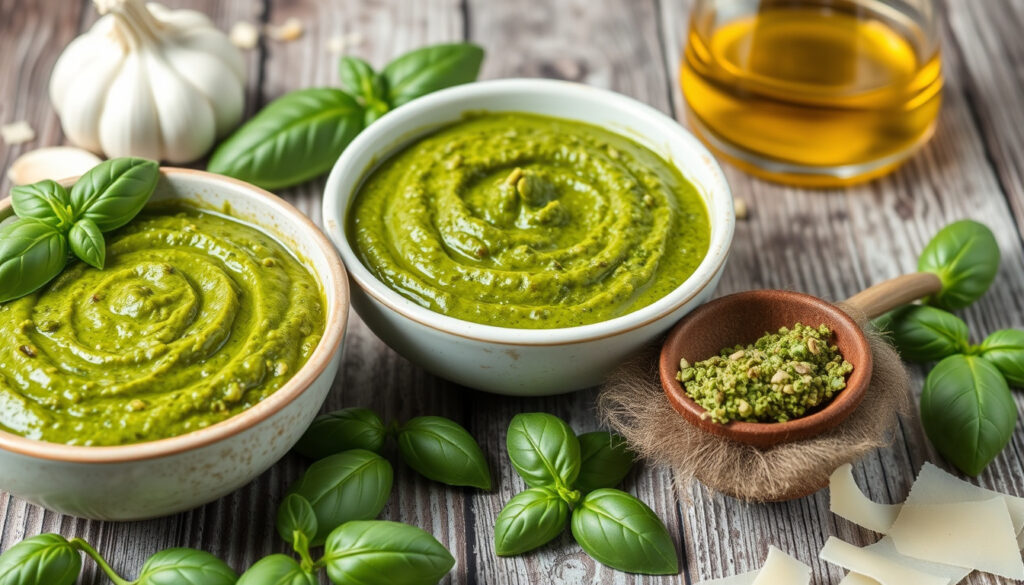
Basil Pesto Recipe NZ – Cashew, Walnut and Nut-Free Options
Fresh basil pesto has become a staple in New Zealand kitchens, offering a versatile sauce that elevates everything from pasta to sandwiches. While traditional recipes call for pine nuts, many home cooks are discovering equally delicious alternatives using cashews, walnuts, or completely nut-free ingredients. This guide covers everything you need to know about making authentic-tasting basil pesto in New Zealand, with practical variations for every dietary requirement.
The appeal of homemade pesto extends beyond flavour. Fresh basil, quality olive oil, and a good food processor are all it takes to create a vibrant sauce in around five minutes. Whether you are looking for a simple weeknight dinner solution or need to accommodate nut allergies, these recipes deliver results that rival restaurant-quality pesto.
This article provides comprehensive coverage of pesto variations, from basic preparations to creamy adaptations, all designed with New Zealand ingredient availability in mind.
Simple Basil Pesto Recipe NZ
The foundation of any great pesto lies in fresh ingredients and a straightforward technique. A classic basil pesto combines the peppery bite of garlic, the richness of quality olive oil, and the aromatic freshness of basil leaves. New Zealand gardeners will find that home-grown basil produces especially vibrant results, with plants readily available from local garden centres throughout the warmer months.
Basic preparations take approximately five minutes from start to finish, making this one of the fastest sauces you can prepare. The key to success lies in balancing consistency—adding olive oil gradually allows you to control thickness and achieve that characteristic smooth-yet-textured finish.
| Variation | Key Ingredients | Prep Time | Best For | NZ Consideration |
|---|---|---|---|---|
| Classic (Pine Nuts) | Fresh basil, pine nuts, garlic, parmesan, olive oil | 5 minutes | Traditional flavour profiles | Import costs can be high |
| Cashew Variation | Fresh basil, raw cashews, garlic, lemon juice, olive oil | 5 minutes | Creamy texture, nutty sweetness | Widely available at Countdown and New World |
| Walnut Substitute | Fresh basil, walnuts, garlic, nutritional yeast, olive oil | 5 minutes | Strong, earthy flavour | Local walnut harvests in autumn |
| No-Nut Version | Fresh basil, sunflower seeds, garlic, lemon juice, olive oil | 5 minutes | Nut allergies, lighter taste | Sunflower seeds sold at most supermarkets |
Key Insights for NZ Home Cooks
- Fresh basil from New Zealand gardens produces more vibrant flavour than imported varieties
- Raw cashews from supermarket bulk bins offer excellent value for regular pesto makers
- Nutritional yeast provides a convincing cheese substitute for vegan adaptations
- Local olive oils from Hawkes Bay deliver premium quality for everyday cooking
- Sunflower seeds present the most budget-friendly alternative to pine nuts
- Fresh spinach mixed with basil enhances both colour and nutritional content
- Blanched almonds work well when walnuts are unavailable
Most ingredients for homemade pesto are available at New World, Countdown, and Pak’nSave. Fresh basil tends to be freshest at farmers’ markets, while bulk nuts often cost significantly less at specialty stores. Nutritional yeast can be found at health food shops and some supermarket health sections.
Snapshot Facts
| Attribute | Details |
|---|---|
| Average Prep Time | 5 minutes |
| Core Ingredients | Fresh basil, olive oil, garlic, nut substitute, salt |
| Best Sellers NZ | Cashew and walnut varieties dominate due to availability |
| Storage Life | Refrigerated in airtight jar for up to one week |
| Popularity Factor | Nut-free versions increasingly sought due to school lunch concerns |
Basil Cashew Pesto Recipe NZ and Nut Variations
Cashews have emerged as the standout substitute for pine nuts in New Zealand kitchens. Their naturally sweet flavour blends seamlessly with basil while their soft texture creates an exceptionally creamy finished sauce. Raw, unroasted cashews without salt provide the best base for pesto preparations.
Cashew-Based Pesto Ingredients
A reliable cashew pesto typically combines one to two cups of packed fresh basil with one-third to one cup of raw cashews. Two to three garlic cloves add sharpness, while two to three tablespoons of lemon juice brighten the overall flavour. Quarter to half a cup of quality olive oil brings everything together, with salt and pepper adjusted to taste.
- 1-2 cups packed fresh basil
- ⅓-1 cup raw cashews (unroasted and unsalted)
- 2-3 garlic cloves
- 2-3 tablespoons lemon juice
- ¼-½ cup olive oil
- Salt and pepper to taste
The preparation process proves remarkably simple. Begin by adding cashews and garlic to a food processor, pulsing until the mixture achieves a crumbly consistency. Add the remaining ingredients and continue processing until a thick, spreadable paste forms. For those seeking a chunkier texture, pulse less; for smoother results, process longer.
Walnut and Almond Alternatives
Walnuts offer a robust flavour profile that stands up well to bold pasta dishes. Approximately half a cup of roughly chopped walnuts replaces pine nuts directly, though their stronger flavour means the basil takes on a more earthy character. Blanched almonds provide a middle ground, delivering mild nutty notes while maintaining good texture.
Both alternatives work particularly well when combined with additional lemon juice, which helps balance their more pronounced flavours against the basil’s natural sweetness.
For the smoothest results, soak cashews in hot water for two hours or cold water overnight before blending. This softens the nuts and creates a noticeably creamier texture without altering the flavour profile.
Pesto Recipe Without Pine Nuts
The absence of pine nuts from a pesto recipe opens up possibilities for many home cooks. Pine nuts remain expensive in New Zealand, often costing several times more than alternative nuts. Beyond economics, nut allergies affect a significant portion of the population, making nut-free versions essential for families with school-age children.
Sunflower Seeds as a Nut-Free Substitute
Sunflower seeds have proven themselves as an excellent nut-free alternative for pesto. They deliver a mild, slightly sweet flavour that lets the basil shine through while providing the binding properties essential for a proper pesto consistency. The preparation method remains identical to nut-based versions, using the same quantities by volume.
Recipes using sunflower seeds work particularly well when paired with additional lemon juice and a touch more garlic, which helps compensate for the milder flavour profile of the seeds themselves. Some cooks also add a small amount of spinach to enhance the green colour, which can appear slightly lighter with sunflower seeds compared to pine nut versions.
Achieving Authentic Flavour Without Cheese
Traditional pesto relies on parmesan cheese for its savoury, umami-rich character. Replicating this without dairy requires strategic ingredient choices. Nutritional yeast has become the go-to solution, providing between one and three tablespoons per batch depending on desired intensity. Its cheesy, slightly nutty flavour profile mimics parmesan remarkably well in blended applications.
White miso paste offers another dimension, adding depth and complexity with just one teaspoon. This fermented ingredient brings a subtle earthiness that many home cooks find indistinguishable from aged parmesan in pesto applications.
Vegan pesto substitutions may taste slightly different from traditional versions. Nutritional yeast lacks the saltiness of parmesan, so adjusting seasoning becomes important. Tasting and adjusting before serving ensures the best results.
Creamy Basil Pesto Recipe NZ
Creating an exceptionally creamy pesto requires attention to technique and ingredient preparation. The soaking method for cashews produces noticeably superior results compared to unsoaked nuts, though it requires advance planning. Cashew butter provides an alternative shortcut, delivering immediate creaminess without the waiting period.
Technique for Extra Creaminess
Soaking cashews in hot water for a couple of hours softens their texture significantly, allowing them to blend into an almost buttery consistency. Cold water soaking overnight produces similar results and works well for meal prep enthusiasts who prefer to prepare ingredients in advance.
The difference between soaked and unsoaked cashew pesto proves immediately apparent. Soaked versions spread more smoothly, coat pasta more evenly, and maintain their consistency better when heated. This technique works equally well for walnut-based pesto.
Cashew Butter Shortcut
For those seeking creaminess without the soaking step, cashew butter provides an elegant solution. Substituting cashew butter for whole nuts eliminates the need for advance preparation while delivering consistent, rich results. Start with two to three tablespoons per batch and adjust according to preference.
This approach proves particularly useful for quick weeknight dinners when time constraints make advance soaking impractical. For those seeking creaminess without the soaking step, cashew butter provides an elegant solution, and you can find a great basil pesto recipe at Summerset Down the Lane Hamilton.
Basil Pesto Pasta Recipe and Chicken Pairings
Pesto pasta represents the classic application for this versatile sauce, though proper technique distinguishes restaurant-quality results from mediocre efforts. The key lies in adding pesto to pasta away from direct heat, allowing the sauce to coat evenly without breaking or becoming oily.
Pasta Preparation Guidelines
Reserve a cup of pasta cooking water before draining. This starchy liquid proves essential for adjusting pesto consistency and helping the sauce adhere to pasta strands. Add pesto directly to freshly drained pasta, then toss vigorously while adding cooking water gradually until the desired coating is achieved.
Short pasta shapes like fusilli and penne work particularly well with pesto, as their crevices trap sauce effectively. Long pasta varieties require more tossing and slightly more sauce to coat evenly.
Chicken and Protein Pairings
Grilled chicken pairs excellently with basil pesto pasta, with the mild protein allowing the sauce to remain the focal point. Pan-seared chicken breast sliced thin over the top, or grilled chicken thighs torn into shreds, both create satisfying complete meals. For a lighter touch, pan-fried salmon or garlicky prawns offer seafood alternatives that complement the basil’s brightness.
Vegan Pesto Pasta Options
Completely plant-based pesto pasta requires only minor adjustments to the base recipe. Swapping parmesan for nutritional yeast and ensuring the pasta water contains no dairy contamination keeps the dish vegan. Roasted vegetables like cherry tomatoes, zucchini, and eggplant transform simple pesto pasta into a nourishing main course.
- Pasta dishes
- Sandwiches and flatbreads
- Salad dressings
- Pizza sauce base
- Soup enhancement
- Vegetable dip
Step-by-Step Preparation Timeline
Following a clear sequence ensures consistent results every time. Each step builds upon the previous, creating a foundation for success.
- Gather ingredients – Assemble fresh basil, nut substitute, garlic, lemon juice, olive oil, and seasonings. Having everything ready prevents processing delays that can affect texture.
- Prepare nuts or seeds – Measure the correct quantity and check for any shells or debris. If using cashews and seeking creaminess, begin soaking the night before.
- Add nuts and garlic to processor – Place nuts and garlic cloves in the food processor. Pulse repeatedly until a coarse, crumbly mixture forms.
- Add basil leaves – Pack basil loosely and add to the processor. Continue pulsing until basil is incorporated with the nut mixture.
- Stream in olive oil – With the processor running, add olive oil gradually through the feed tube. Stop to scrape down sides as needed.
- Add lemon juice and seasonings – Add lemon juice, nutritional yeast if using, salt, and pepper. Process until desired consistency is achieved.
- Taste and adjust – Transfer to a bowl and taste. Adjust salt, pepper, or lemon juice as needed. Store or serve immediately.
Pesto Recipe Certainty and Considerations
| Established Information | Points Requiring Judgment |
|---|---|
| Five-minute preparation time is achievable | Exact olive oil ratios vary by desired consistency |
| Cashews and walnuts work as effective substitutes | Soaking duration impact on final texture |
| Nutritional yeast replicates parmesan flavour | Personal preference for herb-to-nut ratios |
| Sunflower seeds suit nut allergy sufferers | Fresh versus dried basil impact on water content |
| Storage life is approximately one week refrigerated | Optimal freezing methods remain debated |
Understanding Pesto Variations in New Zealand
The popularity of pesto variations beyond traditional pine nut recipes reflects practical realities in the New Zealand market. Imported pine nuts carry significant price premiums, while locally available cashews and walnuts provide equally satisfying results at a fraction of the cost. Health considerations also drive innovation, with nut allergies and dietary preferences pushing home cooks toward creative substitutes.
New Zealand’s multicultural food scene has influenced pesto adaptations, with Asian-influenced miso additions and Mediterranean-style variations coexisting happily in local kitchens. This blend of traditions creates uniquely New Zealand approaches to the classic Italian sauce.
Seasonal availability of fresh basil from home gardens and farmers’ markets ensures that quality ingredients remain accessible for most of the year. The combination of affordable substitutes and readily available fresh basil means homemade pesto represents excellent value compared to commercial alternatives.
Expert Voices on Pesto Preparation
“The beauty of pesto lies in its simplicity. Fresh basil, good olive oil, and proper technique outperform any fancy ingredients every time.”
“Nut substitutions are not compromises—they open new flavour possibilities that traditional recipes never explored.”
“The five-minute preparation time is not an exaggeration. Once your ingredients are measured and ready, the actual processing takes barely longer than cooking pasta.”
Summary
Basil pesto recipes adapted for New Zealand kitchens deliver excellent results using cashews, walnuts, or sunflower seeds as alternatives to expensive pine nuts. These variations maintain the essential character of traditional pesto while offering solutions for different dietary requirements, budgets, and flavour preferences. Whether prepared traditionally or adapted for vegan, nut-free, or creamy applications, homemade pesto takes approximately five minutes and transforms ordinary meals into something memorable.
For those measuring ingredients precisely, understanding conversions between volume and weight measurements ensures consistent results across different recipes and kitchen setups. Home cooks who explore these techniques often discover that homemade pestos surpass commercial varieties in both flavour and value, particularly when leveraging seasonal produce from local sources.
Frequently Asked Questions
Can I use dried basil instead of fresh basil for pesto?
Dried basil can be used in a pinch but produces noticeably different results. Fresh basil provides the bright, aromatic character essential to authentic pesto. If using dried, reduce quantity significantly and expect a less vibrant green colour and milder flavour.
What is the Jamie Oliver recommended approach to pesto?
Jamie Oliver emphasises using fresh, high-quality ingredients and keeping preparation simple. His approach advocates for proper technique over complex recipes, recommending that home cooks master the basic method before experimenting with variations.
How long does homemade pesto last in the refrigerator?
Properly stored in an airtight container with a thin layer of olive oil on top, homemade pesto remains fresh for approximately one week. Some sources suggest freezing in ice cube trays for longer storage.
Can pesto be frozen successfully?
Freezing works well for most pesto varieties, though texture may change slightly upon thawing. Frozen pesto portions defrost quickly and work perfectly for cooking applications. Adding a splash of fresh lemon juice after thawing helps revive flavour.
Why does my pesto turn brown quickly?
Basil oxidises when exposed to air, causing browning. Smoothing a layer of olive oil over the surface before refrigerating minimises this effect. Using fresh basil and processing quickly also helps maintain the vibrant green colour.
Is cashew butter better than whole cashews for pesto?
Cashew butter offers convenience and immediate creaminess without soaking, while whole cashews provide more control over texture and often better value. Both produce satisfying results; the choice depends on available time and personal preference.
What pasta shapes work best with pesto?
Short pasta shapes like fusilli, penne, and orecchiette work best as their surfaces and crevices capture and hold the sauce effectively. If using long pasta, ensure thorough tossing and slightly increased sauce quantity.
More related posts
 Sunday Rose Kidman Urban: Age, Parents, Biography & More
 Australia New Zealand Visa Changes – What Kiwis Need To Know
 Farmers Market Near Me Today: Dublin & Ireland Guide
 Westpac Bank Near Me: Branches, ATMs & Locator Guide
 South Canterbury Propagation Liquidation: Over $1M Paid
 Christchurch to Tauranga Flights: Direct Options & Cheap Tips
 6 Seater Dining Table NZ: Sizes, Prices & Buying Guide
 All Blacks Team to Play Argentina: 2026 Squad Guide
