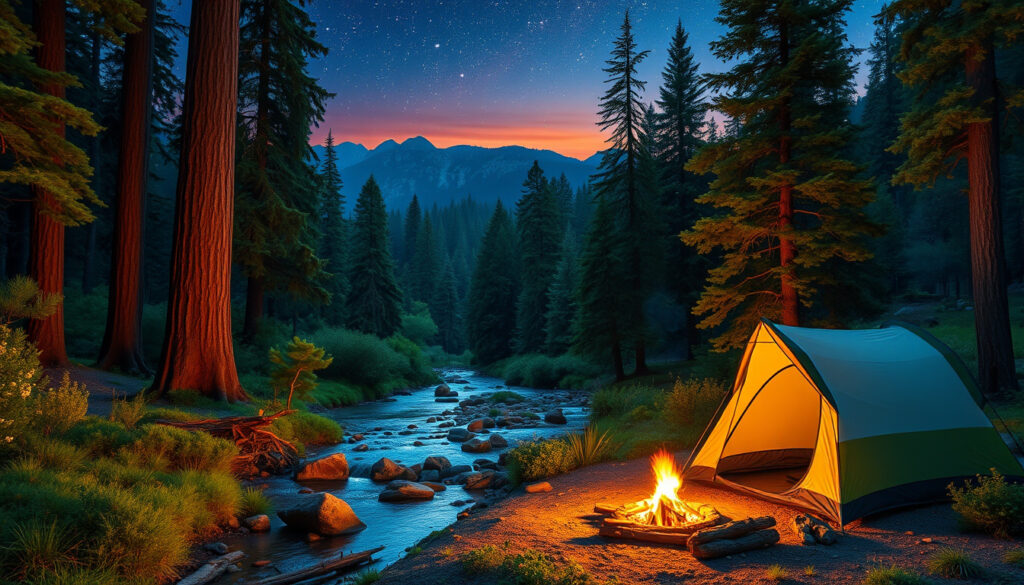
Best Places to Camp in California: Top Campgrounds & Tips
There’s a reason Californians and visitors alike keep returning to the state’s campgrounds: the sheer variety of landscapes, from the Pacific coastline to the Sierra Nevada. This guide uses official data and local tips to help you pick the right place, covering costs, seasons, and what you actually need to know before booking.
California campgrounds available: Over 1,500 state park and national forest campgrounds California State Parks ·
Cost range per night: $10 to $80 GORE-TEX ·
Peak camping season: June to September GORE-TEX ·
Free camping options: Over 200 dispersed camping areas (USFS & BLM) California State Parks
Quick snapshot
- State parks like McArthur-Burney Falls and Pfeiffer Big Sur offer reservable campsites (California State Parks)
- Dispersed camping is free on national forest land (18 million+ acres) (California State Parks) (California State Parks)
- Beach camping available at Crystal Cove and Doheny State Beach (Hipcamp)
- Exact number of free dispersed campsites varies by fire restrictions and season (California State Parks)
- Campground opening dates can shift with weather (California State Parks)
- Reserve early for summer – popular sites like Curry Village fill months ahead (Tripadvisor)
- Tuolumne Meadows Campground in Yosemite runs July through September (GORE-TEX)
- Prairie Creek Redwoods State Park offers coastal redwood camping (GORE-TEX)
- White Tank Campground in Joshua Tree is open year-round (GORE-TEX)
These policies from California State Parks shape your camping experience.
| Policy | Details |
|---|---|
| Stay limit | Most California state park campgrounds enforce a 7-night limit (California State Parks) |
| Youth group supervision | At least one adult required per 15 youths under 18 (California State Parks) |
| Hike-and-bike sites | Primitive sites for walk/pedal-in users only; vehicles prohibited; typically have pit toilets and water (California State Parks) |
| Group campsite capacity | 10–100 people depending on park; some sites combinable (California State Parks) |
| Sample campground fees | $26/night at some state parks (GORE-TEX) |
| Reservation availability | Many popular campgrounds require advanced booking; some open June–October (GORE-TEX) |
Where is the best camping in California?
With over 280 state park units and nine national parks, California offers campgrounds for every taste. The most celebrated sites combine iconic scenery with reliable amenities.
Top state park campgrounds
- McArthur-Burney Falls Memorial State Park – waterfall views and reservable sites (California State Parks)
- Pfeiffer Big Sur State Park – redwoods and coastal access (California State Parks)
- Salt Point State Park – coastal bluff camping (California State Parks)
Reserving a site at Pfeiffer Big Sur can take six months of planning – but the payoff is waking up to fog-laced redwoods and the sound of the Pacific.
National forest favorites
California’s 18 national forests permit free dispersed camping almost anywhere outside developed campgrounds. Popular picks include the Stanislaus and Sierra National Forests, where you can find solitude at no cost (California State Parks).
Beach and coastal camping
- Crystal Cove State Park–Moro Campground – steps from the beach (Hipcamp)
- Doheny State Beach – family-friendly with RV and tent sites (Hipcamp)
- Sonoma Coast State Park – remote cliffside camping (GORE-TEX)
The pattern: coastal campgrounds fill first because they combine warm weather with ocean views. If you want a beach site, book in early spring.
What are the best months to go camping in California?
California’s geography means you can camp year-round, but the experience changes drastically with the season.
Spring camping conditions
- March–May: wildflowers in bloom, moderate crowds, but many high-country roads closed
- Temperatures mild along coast and deserts; Sierra still snowy
Summer peak season
June–September brings warm weather statewide, but also packed campgrounds. Peak season often requires reservations made six months in advance. Some parks, like Yosemite’s Tuolumne Meadows Campground, open only July–September (GORE-TEX).
Fall and winter camping
- September–October: best combination of low crowds and pleasant temperatures; fall colors in the Sierra
- Winter: limited to deserts (Joshua Tree, Anza-Borrego) and low-elevation parks; many facilities close
- Some state parks offer free camping during winter closure periods, though availability is limited
Summer campers trade privacy for reliable weather. Fall campers get solitude but risk sudden storms. The smartest choice: plan for shoulder months (May and September) whenever possible.
The implication: timing your trip around shoulder months balances weather and crowds.
Where do people camp in California?
Popular destinations cluster around iconic landmarks, but camping patterns differ between Northern and Southern California.
Most visited state parks
Yosemite receives over 4 million visitors annually – many camp in its valley campgrounds. Other heavy hitters include Big Sur, Lake Tahoe, and Joshua Tree. Curry Village in Yosemite Valley is consistently among the top-rated campgrounds on Tripadvisor (Tripadvisor).
National parks with camping
- Yosemite National Park – seven campgrounds, many reservable
- Sequoia & Kings Canyon – large family-friendly sites
- Joshua Tree – year-round camping in the desert
Regional hotspots: Northern vs Southern California
NorCal campers gravitate toward redwood groves and rugged coastline (Prairie Creek, Sonoma Coast). SoCal campers prefer desert escapes and beachfront sites (Crystal Cove, Doheny). The difference is stark: Northern parks require layers and rain gear; Southern parks demand sun protection and extra water.
For more outdoor inspiration, check out Best Walks in Auckland: Views, Waterfalls & City Trails.
Where is the best free camping in California?
Free camping is abundant if you know where to look. Dispersed camping on BLM and USFS land costs nothing and offers complete solitude.
Dispersed camping in national forests
Over 18 million acres of national forest land in California allow dispersed camping – no permits, no fees. Rules vary by forest, but the basics: stay 100 feet from water, pack out all trash, and keep your site small (California State Parks).
BLM land camping
The Bureau of Land Management manages 15 million acres in California open to free camping. Popular areas include the Mojave Desert and the Owens Valley.
Free campgrounds in state parks (off-season)
Some state parks offer free camping during winter closures, but availability is very limited – usually first-come, first-served and only at a handful of parks.
Free camping means no facilities – no picnic table, no fire ring, no potable water. Fire restrictions can also shut down dispersed sites during dry months. Always check local regulations before heading out.
What is the cheapest month to go to California?
While camping fees stay constant year-round at most parks, travel costs drop significantly in the off-season. January and February historically offer the lowest airfare and hotel rates, making the overall trip cheaper even if campsite fees don’t change.
Camping fees remain steady: state parks average $35–$45 per night, national parks $20–$36. Private campgrounds (KOA, etc.) run $50–$80. The real savings come from fewer crowds and easier last-minute bookings.
For timing your trip, see our guide on What Time is Sunset in LA?
How much does it cost to camp in California?
Camping costs vary widely by type. A breakdown of typical prices:
| Campground type | Cost per night | Source |
|---|---|---|
| State park campgrounds | $35–$45 | California State Parks |
| National park campgrounds | $20–$36 | GORE-TEX |
| Private campgrounds (KOA style) | $50–$80 | Hipcamp listings |
| Dispersed camping (free) | $0 | California State Parks |
What this means: for a family of four, a week of state-park camping runs about $245–$315. Dispersed camping cuts that to zero, but factor in gas for reaching remote areas.
For a detailed breakdown of fees and seasonal tips, check out our guide to top campgrounds in California.
Frequently asked questions
Can you camp anywhere in California national forests?
Yes, dispersed camping is allowed on most national forest land unless posted otherwise. Stay 100 feet from water and roads, and follow fire restrictions.
Do I need a permit for camping in California state parks?
No special permit is needed for standard camping, but you must reserve a site if the park requires it. Group camping may require a permit for groups over certain sizes.
What is the best app for finding campsites in California?
Hipcamp, Recreation.gov, and ReserveCalifornia are the most popular. Hipcamp lists both public and private sites.
Are campfires allowed in California during summer?
Often not. Fire restrictions are common from July through October, especially in dry areas. Check local conditions before lighting any fire.
How far in advance should I book a campsite in California?
Popular state parks open reservations six months ahead. For peak summer, book the moment availability opens. Some sites are first-come, first-served.
What are the rules for RV camping in California?
RVs are allowed in most state and national park campgrounds, but hookups are limited. Many dispersed areas have length restrictions. Check each park’s RV policy.
Is there free camping near Big Sur?
Limited. Los Padres National Forest has some dispersed sites, but they are few and often require high-clearance vehicles. Most camping near Big Sur is in paid campgrounds like Pfeiffer Big Sur.
For the California camper, the decision is clear: reserve early for premium sites, or go free and remote in the national forests. The trade-off between convenience and cost is real, but with this guide you can make an informed choice that matches your budget and your sense of adventure.
More related posts
 Sterling to NZ Dollar: Exchange Rate Forecast & Analysis
 Surf Forecast Waihi Beach: Current Conditions & 10-Day Outlook
 New World Specials This Week – Top Deals on Meat, Pantry and Fuel Savings
 Son of Sardaar 2: Release, Cast, Netflix OTT & Box Office Verdict
 All Blacks vs France Live Score & Nations Championship Updates
 Car Insurance Quote NZ: Compare Cheapest Providers
 Blues vs Chiefs 2026: Match Report, Score & Highlights
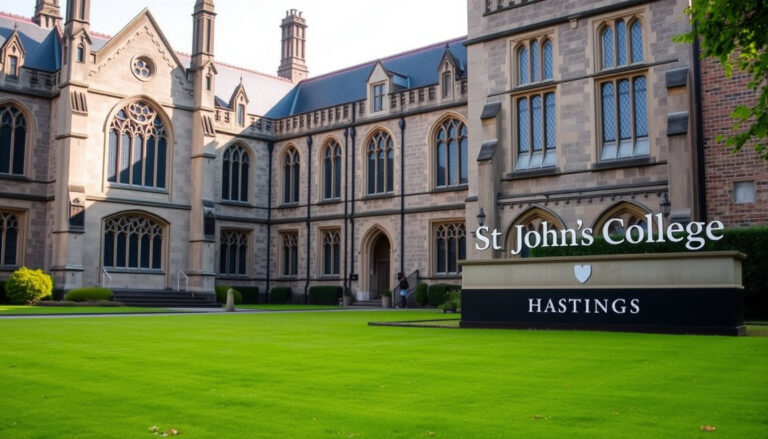 St John’s College Hastings: A Complete Parents Guide
