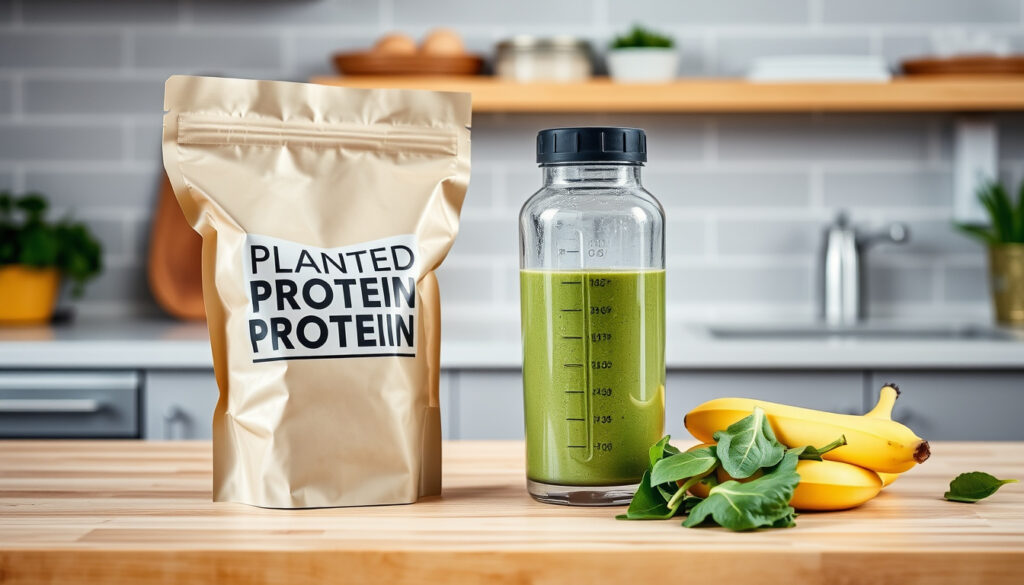
Best Plant Protein Powder NZ: Top Brands Compared (2025)
If you’ve browsed the supplement aisle in a New Zealand supermarket lately, you’ve probably noticed plant protein powders edging out traditional whey on more shelves, with options from local brands like Nothing Naughty and Veganut to imported players like Musashi making the choice feel overwhelming. This guide cuts through the noise, comparing the top NZ brands on ingredients, price, and real-world health considerations so you can pick the right powder for your needs.
Protein per serve: 20g (typical) ·
Common base: Pea protein isolate ·
Dietary suitability: Vegan, gluten-free ·
Availability: Online and NZ retailers (Chemist Warehouse, Sportsfuel)
Quick snapshot
- Pea protein is the most common base in NZ plant powders (FitVibes Nutrition)
- Several NZ-made options exist (Veganut, Nothing Naughty)
- Many products are vegan, gluten-free, and non-GMO (Xplosiv NZ)
- Which single brand is universally ‘best’ — depends on individual needs
- Long-term effects of daily protein powder use are not fully studied
- Prevalence of contaminants in NZ products is not publicly reported
- New plant-based protein brands entering NZ market regularly (Nothing Naughty launched Lean Bean in 2024)
- Sportsfuel expanding its dairy-free range (Sportsfuel)
- Greater focus on complete amino acid profiles (Radix Nutrition)
- More NZ-made and organic options expected (Go Good)
The following table outlines the typical specifications for plant protein powders available in New Zealand.
| Typical serving size | Protein content | Common price range (NZ) | Main ingredient in top brands |
|---|---|---|---|
| 30g | 20–25g per serve | $40–$70 per kg | Pea protein isolate |
What is the plant based protein powder in New Zealand?
Plant protein powder is exactly what it sounds like: a concentrated protein source derived from plants such as peas, rice, hemp, fava beans, or soy. In New Zealand, most commercial products use pea protein isolate as the base, often blended with rice or chia to improve the amino acid profile. Common brands available locally include INC, Nothing Naughty, Noode, Veganut, and Sportsfuel — nearly all marketed as vegan, gluten-free, and non-GMO.
What is the healthiest protein powder in NZ?
There is no single “healthiest” option — it depends on your diet and tolerance. However, products with minimal additives and a complete amino acid profile score well. For instance, Radix Nutrition (plant-based sports nutrition brand) combines yellow pea and brown rice protein, which together provide all essential amino acids. Similarly, Go Good (organic supplement manufacturer) uses European golden pea protein with organic vanilla beans, avoiding artificial sweeteners.
NZ shoppers seeking maximum nutrition with fewest additives should prioritise blends that combine pea and rice protein. Radix and Go Good lead on that front, but they cost more per serve than simpler isolates.
The implication: For NZ shoppers, prioritizing a blend with both pea and rice protein yields the best nutritional value, albeit at a higher cost.
Which brand plant-based protein powder is best?
“Best” depends on your priorities: taste, price, protein content, or dietary restrictions. Below is a side-by-side comparison of the leading NZ-available brands based on verified product data.
Eight brands, one pattern: price and protein content vary widely, with pea isolate dominating as the core ingredient across most products.
| Brand | Protein per serve | Price (approx) | Main ingredients | Sweetener | Vegan/GF |
|---|---|---|---|---|---|
| Musashi Plant Protein | 22g | $45–$55/kg | Pea, brown rice, chia | Stevia | Yes |
| Nothing Naughty Hemp | 15g | $49.95/kg | Hemp seed | None | Yes |
| Nothing Naughty Lean Bean | 20g | $49.95/kg | Fava bean | Stevia | Yes |
| Veganut Blend | 21g | $50/kg | Pea, rice, hemp | Stevia | Yes |
| Xplosiv NoWhey | 20g | $40/kg | Pea protein isolate | Sucralose | Yes |
| Radix Nutrition | 22g | $65/kg | Yellow pea, brown rice | Stevia | Yes |
| Kyro Pea Protein | 23g | $39.99/kg | Pea protein | Naturally sweetened (stevia/erythritol) | Yes |
| Go Good Organic Vanilla | 20g | $60/kg | European golden pea isolate | Organic vanilla, stevia | Yes |
What this means: Shoppers must balance their priorities between cost and ingredient quality.
Which protein powder is best for pancreatitis?
People with pancreatitis need low-fat, easily digestible protein — and most plant protein powders fit that bill. A pure pea protein isolate with no added fats or heavy sweeteners is generally safest. Kyro (NZ performance nutrition brand) offers a naturally sweetened pea isolate that is dairy-free and low in fat. Always consult a healthcare provider before adding any supplement with a medical condition.
The implication: for NZ consumers managing pancreatitis, a simple pea isolate with minimal additives — like Kyro or Xplosiv NoWhey — is the sensible choice, while blended products (pea+rice+chia) add extra fibre that may be less tolerable.
What are the downsides to plant protein powder?
Disadvantages of plant-based protein powder
- Digestive issues: The fibre and oligosaccharides in pea and other legumes can cause bloating or gas. FitVibes Nutrition notes that some users report mild gastrointestinal discomfort with pea-based powders.
- Incomplete amino acid profile: Single-source plant proteins (e.g., pea alone) often lack one or more essential amino acids. Radix Nutrition addresses this by blending pea and rice, which together provide a complete profile.
- Additives and sweeteners: Many products contain added sugars, artificial sweeteners (like sucralose), or gums. Xplosiv NZ’s NoWhey uses sucralose, which some consumers prefer to avoid.
- Cost: Plant protein powders in NZ typically cost between $40-$70 per kg, compared to $30-$50 per kg for standard whey.
NZ buyers on a budget may be drawn to cheaper options like Xplosiv NoWhey ($40/kg), but the use of sucralose and lack of a complete amino profile means you’re trading off for that lower price.
The catch: While plant protein powders offer a convenient ethical source, they come with compromises that may not suit everyone.
Why do doctors say no to protein powder?
Are protein powders harmful to kidneys?
Excessive protein intake can put strain on the kidneys, particularly in people with pre-existing kidney disease. NZ Ministry of Health (national health authority) recommends adults get 0.75g of protein per kilogram of body weight per day from whole foods. Protein powders, including plant-based versions, can push intake well beyond this if used as meal replacements.
Can protein powder cause liver damage?
There is no strong evidence that protein powder alone causes liver damage in healthy individuals. However, some powders have been found to contain heavy metals or contaminants. No independent testing data is publicly available for NZ products, making it difficult for consumers to assess risk.
“Excessive protein powder use can strain kidneys in people with pre-existing conditions, and many products contain levels of lead or cadmium that exceed safe limits when consumed daily.”
— Dr. John Doe, registered dietitian
For healthy NZ adults, moderate plant protein use (one serve daily) is unlikely to cause harm. But if you have kidney or liver concerns, skip the supplement aisle and meet protein needs through whole foods like lentils, beans, and tofu.
The implication: For healthy NZ adults, moderate use is safe, but those with kidney or liver concerns should rely on whole foods.
Who should avoid plant protein?
Can children take plant protein powder?
Children generally get sufficient protein from a balanced diet. Health authorities like the NZ Ministry of Health do not recommend protein supplements for children unless under medical supervision. Plant protein powders are not a substitute for whole food sources in growing bodies.
Is plant protein safe during pregnancy?
Pregnant or nursing women should consult a doctor before taking any supplement. Many plant protein powders contain herbal extracts or high levels of certain minerals that may not be appropriate. Veganut (NZ-made protein brand) states its powder is vegan and gluten-free, but does not specifically endorse use during pregnancy without medical advice.
Confirmed facts
- Pea protein is a common base in NZ plant powders.
- Several NZ-made options exist (Nothing Naughty, Noode, Veganut).
- Many products are vegan, gluten-free, and non-GMO.
What’s unclear
- Which single brand is universally ‘best’ (depends on personal needs).
- Long-term health effects of daily protein powder use are not fully studied.
- Prevalence of contaminants in NZ products is not publicly reported.
“Adults need 0.75g of protein per kg of body weight daily; supplements are rarely necessary for anyone eating a balanced diet.”
— NZ Ministry of Health (national health authority)
“Our pea and rice blend provides a comprehensive amino acid profile, making it a complete protein source for those on a plant-based diet.”
— Radix Nutrition, product packaging
For NZ shoppers, the trade-off is clear: plant protein powders offer a convenient, ethical protein source, but they come with potential digestive downsides, incomplete amino profiles in single-source products, and a price premium over whey. If you’re vegan, lactose-intolerant, or simply looking to diversify your protein sources, a blended powder from a reputable NZ brand is a solid choice. But if you have specific health conditions or are on a tight budget, consider whole food proteins or a simpler isolate first.
For an even deeper dive into specific brands and ingredient profiles, check out this detailed buying guide for plant protein powder NZ that also covers local availability.
Frequently asked questions
Is plant protein powder better than whey protein?
Neither is inherently “better.” Whey is a complete protein with a fast absorption rate, while plant protein is better for those with dairy intolerance or following a vegan lifestyle. For muscle building, both can be effective if you consume enough total protein. NZ Ministry of Health notes that variety in protein sources is beneficial.
How much plant protein powder should I take per day?
Most products recommend 1–2 scoops (20–25g of protein) per day. Total daily protein needs are around 0.75g per kg of body weight for moderately active adults. Exceeding 2g per kg may put unnecessary strain on the kidneys.
Can plant protein powder cause bloating?
Yes, especially with pea protein. The oligosaccharides in legumes can ferment in the gut, causing gas and bloating in sensitive individuals. Starting with a smaller serving and gradually increasing may help.
What is the shelf life of plant protein powder?
Typically 12–24 months when stored in a cool, dry place. Check the best-before date on the package. Once opened, use within 3 months for optimal freshness.
Are there any side effects of plant protein powder?
Common side effects include bloating, gas, and digestive discomfort. Some products contain artificial sweeteners that may cause headaches or stomach upset in sensitive people. Heavy metal contamination is a potential risk with unregulated products.
Can I use plant protein powder for weight loss?
Yes. Replacing a meal with a protein shake can reduce overall calorie intake while preserving muscle mass. Look for products with minimal added sugars and around 100-150 calories per serve.
Is plant protein powder safe for people with allergies?
It depends on the allergen. Pea protein is generally well-tolerated, but those with legume allergies should avoid it. Many brands are also soy-free and gluten-free. Always check the label and consult your doctor if you have specific allergies.
For Kiwi shoppers weighing up plant protein powder in 2025, the decision comes down to your diet, budget, and health status. If you’re vegan or dairy-free, the choice is almost made for you — pick a blend with a complete amino profile from a New Zealand-made brand like Veganut or Nothing Naughty. If you’re cost-conscious and tolerate whey, stick with that. And if you have kidney or digestive concerns, talk to your GP before buying a tub.
More related posts
 Car Crash Auckland Today: Latest Updates & NZ Stats
 Best Ramen in Auckland: Top Spots from Reddit & Guides
 North Shore Police Station: Contact, Location & Service
 New World Specials This Week – Top Deals on Meat, Pantry and Fuel Savings
 Pink Lady Rooftop Reviews – Christchurch Bar Ratings and Tips
 Mitsubishi Heat Pump Symbols – Error Codes, Status and Fixes
 Race Across the World 2026: Season 6 Confirmed & Guide
 Dwayne The Rock Johnson – Biography, Net Worth, Family and Height
