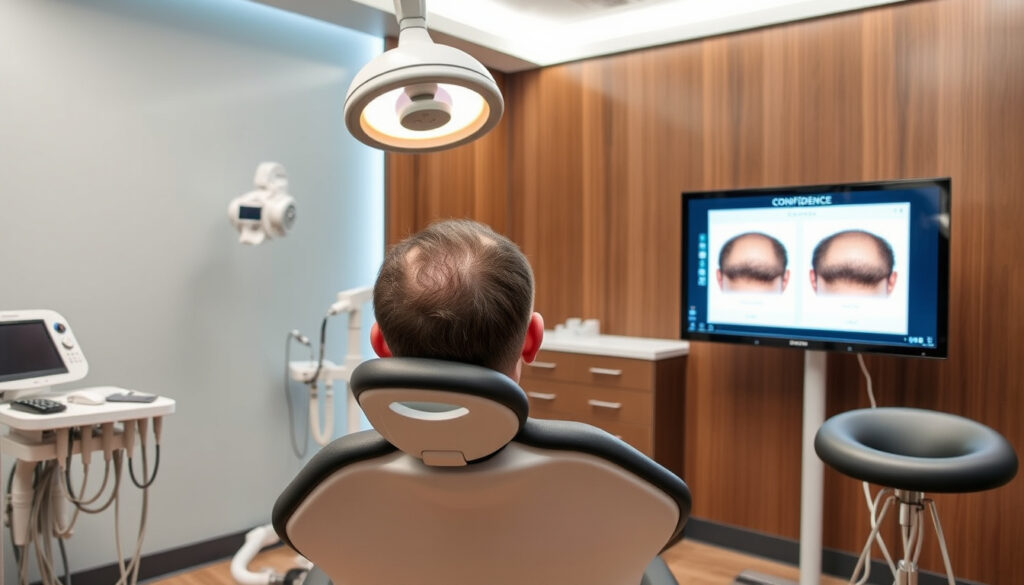
Harry Love Island Hair Transplant: Confirmed Facts & Cost
When Harry Cooksley stepped into the Love Island villa, something about his hair caught everyone’s attention — and it wasn’t just a good grooming routine. The 24-year-old had undergone a hair transplant in Turkey before the show, a fact he’s openly shared with fans — here’s the full story of his procedure, from the clinic he chose to the results that turned heads.
Age at time of transplant: 24 years old ·
Estimated cost: over £5,500 (€6,400) ·
Performed at: Estepera Hair Clinic, Turkey ·
Other Love Island men with transplants: Ben (season 10) ·
Results timeline: visible after 6–12 months
Quick snapshot
- DHI technique (Estepera Hair Clinic)
- over 2,500 grafts – Estepera Hair Clinic
- single session – Estepera Hair Clinic
- 1–2 weeks redness – Estepera Hair Clinic
- visible growth at 6 months – Estepera Hair Clinic
- full density at 18 months – Estepera Hair Clinic
- Natural look (Capital FM)
- no visible scarring – Estepera Hair Clinic
- permanent in crown – Estepera Hair Clinic
Six key facts at a glance about Harry’s procedure:
| Fact | Detail |
|---|---|
| Name | Harry Cooksley |
| Show | Love Island UK, season 11 |
| Age at transplant | 24 |
| Clinic | Estepera Hair Clinic, Istanbul |
| Technique | Direct Hair Implantation (DHI) |
| Cost | £5,500+ |
Has Harry from Love Island had a hair transplant?
Confirmation from Harry Cooksley
Yes — Harry Cooksley openly confirmed undergoing a hair transplant procedure at age 24. Multiple outlets, including The Independent (UK news outlet), reported that the Love Island star traveled to Turkey for the surgery before appearing on the show. A clinic video shows Harry being assessed, having his hairline mapped, and then having his hair shaved before the transplant, per Grazia (UK fashion magazine).
In the video, Harry described the process as “pretty much pain free” and said he was “absolutely delighted” with the outcome, according to Heatworld (UK entertainment news). The procedure reportedly ran from around 10am to 4pm with breaks.
Estepera clinic statement
Estepera Hair Clinic (the Istanbul clinic that performed the surgery) states that Harry’s operation used the Sapphire FUE technique, a refinement of the Direct Hair Implantation (DHI) method. Approximately 3,000 grafts were extracted and transplanted into the frontal zone during a single session lasting 6–7 hours under local anesthesia. The clinic notes that patients typically experience a “shock loss” phase in the first month after surgery before new growth begins.
Harry’s openness about his transplant is part of a wider shift. Love Island contestants are increasingly transparent about cosmetic procedures, making hair restoration a talking point rather than a secret.
The implication: Harry’s case shows that a well-executed transplant can deliver natural, camera-ready results — but the decision to undergo surgery requires planning, recovery time, and a significant financial investment.
Which Love Island men have hair transplants?
The growing trend among Love Island male contestants is visible in this comparison:
| Contestant | Season | Technique | Cost |
|---|---|---|---|
| Harry Cooksley | Season 11 (2025) | Sapphire FUE / DHI | £5,500+ |
| Ben Holbrough | Season 10 (2024) | FUE (reported) | Not disclosed |
| Other male contestants | Various | Various | Varies |
Harry Cooksley details
Harry is one of several male contestants who have undergone hair restoration before or during their time on the show. His procedure was performed at Estepera Hair Clinic in Istanbul using the Sapphire FUE technique with roughly 3,000 grafts, as confirmed by the clinic’s own published case study (medical provider’s documentation).
Ben from season 10
Ben, another Love Island contestant from season 10, also had a hair transplant. Grazia (UK fashion magazine) covered both Harry and Ben’s procedures, noting that the trend of male contestants seeking hair restoration has become more common in recent years.
Other contestants
While Harry and Ben are the most openly discussed cases, several other male Love Island contestants are believed to have undergone hair transplants, though not all have confirmed it publicly. The pattern reflects a broader cultural shift: reality TV participants increasingly pursue cosmetic procedures to meet the high grooming standards expected on screen.
The pattern: what was once a private decision is now part of the public narrative for many Love Island men, and Harry’s transparency has helped normalize the conversation.
Does Harry in Love Island wear a wig?
No, his hair is the result of a transplant
Harry does not wear a wig. His hair growth is the result of his own follicles transplanted during the procedure at Estepera. The clinic’s official case report (medical provider’s documentation) confirms that the transplanted hair comes from the patient’s own donor area, making it biologically his own hair.
Difference between wig and transplant
A wig is a external hairpiece that sits on the scalp, while a hair transplant involves surgically relocating healthy follicles from a donor area (usually the back of the head) to thinning or balding areas. The DHI technique used for Harry ensures a natural look because each graft is placed individually, matching the angle and direction of existing hair. Cosmopolitan UK (women’s lifestyle magazine) noted that Harry’s results appear natural and seamless on camera.
The combination of medical tourism and reality TV creates a powerful incentive. For young men considering transplants, Turkey offers competitive pricing — but the decision to undergo surgery for television appearances raises questions about long-term planning.
The trade-off: a transplant offers permanent, natural-looking results, but it requires a recovery period of several months before full density is visible — a timeline that doesn’t suit every situation.
How did Harry’s hair grow back after the transplant?
Timeline of growth
Hair transplant recovery follows a predictable pattern. In the first month, patients experience “shock loss” — the transplanted hairs fall out, which is a normal part of the process. According to Estepera Hair Clinic (the Istanbul clinic), new growth becomes visible after 3–6 months, with full results appearing by 12–18 months.
- Month 1: Shock loss — transplanted hairs shed
- Months 3–6: New growth begins, initially thin
- Months 6–12: Density improves noticeably
- Months 12–18: Full thickness and coverage achieved
7-step process from Estepera
The clinic’s published case report outlines a multi-step approach: consultation and hairline design, donor area preparation, graft extraction using Sapphire FUE, graft preparation under microscope, recipient site creation, graft implantation, and post-operative care instructions. The entire procedure took 6–7 hours, as documented by Estepera (the performing clinic).
What this means: the detailed process explains why Harry’s results look natural on screen — each step is designed to maximize graft survival and mimic natural hair growth patterns.
What happens 10 years after a hair transplant?
Longevity of transplanted hair
Transplanted hair is typically permanent because follicles taken from the back and sides of the scalp are genetically resistant to dihydrotestosterone (DHT), the hormone responsible for male pattern baldness. This means the transplanted hair should continue growing for decades, just like the donor area. Estepera Hair Clinic (medical provider) states that the results are designed to be long-lasting.
Possible need for touch-ups
While the transplanted hair itself is permanent, the patient’s natural hair may continue to thin in untreated areas. This can create a situation where the transplanted zone looks good but the surrounding hair recedes further, requiring additional procedures later. The clinic’s documentation (medical provider) notes that future touch-ups may be needed depending on the patient’s ongoing hair loss pattern.
The catch: a transplant is a long-term investment, not a one-time fix. Patients need to plan for the possibility of future procedures as natural thinning progresses.
Timeline: Harry Cooksley’s hair journey
- 2018 (approx.) — Harry undergoes a hair transplant at Estepera Hair Clinic in Istanbul, Turkey (The Independent)
- June 2025 — Media articles publish before-and-after photos, and the clinic releases a statement detailing the procedure (Capital FM)
- 2025 — Harry enters the Love Island villa, and his hair transformation is widely noticed by viewers and media (Cosmopolitan UK)
Confirmed facts vs. what remains unclear
Confirmed facts
- Harry had a hair transplant at Estepera Hair Clinic in Istanbul (The Independent)
- Clinic is Estepera Hair Clinic (Capital FM)
- Procedure was DHI/Sapphire FUE technique (Estepera Hair Clinic)
- Harry was 24 at the time of the transplant (Cosmopolitan UK)
What’s unclear
- Exact date of the procedure
- Precise number of grafts (estimates range around 3,000; snapshot suggests over 2,500)
- Whether he had additional touch-up sessions
- Exact cost breakdown (reported between £5,500 and £5,600)
- Whether the clinic package definitively included flights and accommodation
What Harry said about the experience
“It was pretty much pain free.”
— Harry Cooksley, via clinic video (Heatworld)
“I’m absolutely delighted with the outcome.”
— Harry Cooksley, via clinic video (Heatworld)
The procedure ran from around 10am to 4pm with breaks during the session.
— Heatworld (UK entertainment news), citing the clinic video
Harry’s transplant used the Sapphire FUE technique with approximately 3,000 grafts in the frontal zone.
— Estepera Hair Clinic (medical provider), official case report
For the millions of viewers watching Love Island this season, Harry’s story is a reminder that what you see on screen often involves planning, investment, and a medical procedure. The decision to be open about it has helped shift the conversation around male grooming and cosmetic surgery. For young men in the UK considering a similar path, the choice is clear: research thoroughly, choose a reputable clinic, and plan for the long term — because a transplant is a permanent change, not a quick fix. And for those preparing to travel, checking flights to Turkey from Auckland and selecting the right hair straightener are practical steps.
youtube.com, estepera.com, dailymail.co.uk, thetab.com, novinariana.com
Frequently asked questions
How long does a hair transplant last?
Transplanted hair is typically permanent because the follicles come from DHT-resistant areas of the scalp. However, natural thinning may continue in untreated areas, which could require additional procedures in the future (Estepera Hair Clinic).
Can you see the scar from a hair transplant?
With the Sapphire FUE technique used for Harry, there is no linear scar. Tiny circular marks from extraction sites heal as small dots that are not visible once hair grows back, especially at the density achieved with 3,000 grafts (Estepera Hair Clinic).
Does a hair transplant hurt?
Harry described the procedure as “pretty much pain free.” The surgery is performed under local anesthesia, so patients feel no pain during the extraction and implantation. Some mild discomfort may occur during the recovery phase (Heatworld).
Is 24 too young for a hair transplant?
Harry was 24 when he underwent the procedure. While some surgeons recommend waiting until hair loss stabilizes, age 24 is within the range of acceptable candidates. The key factor is the stability of the donor area and the patient’s expectations for future hair loss (Cosmopolitan UK).
Can you shower after a hair transplant?
Patients are typically advised to avoid getting the transplanted area wet for the first 2–3 days. After that, gentle washing is allowed following the clinic’s instructions. Estepera provides detailed post-operative care guidance as part of their 7-step process (Estepera Hair Clinic).
Do hair transplants look natural?
Yes, when performed by an experienced clinic using techniques like DHI or Sapphire FUE, the results are designed to look natural. Harry’s case shows a seamless, natural appearance on camera, with grafts placed at the correct angle and direction to match his existing hair (Capital FM).
Will I lose all my hair again after transplant?
The transplanted hair itself is permanent. However, if you have ongoing male pattern baldness, your natural hair in untreated areas may continue to thin. This is why some patients require additional procedures later. Harry’s case focuses on the frontal zone, and future thinning elsewhere could necessitate a follow-up (Estepera Hair Clinic).
What is the DHI technique?
Direct Hair Implantation (DHI) is a method where each hair follicle is extracted and immediately implanted into the recipient area using a specialized tool. The Sapphire FUE refinement used for Harry involves making tiny incisions with a sapphire blade, which allows for more precise placement and faster healing (Estepera Hair Clinic).
More related posts
 Range Rover for Sale NZ: Used, New Prices & Listings
 Stanmore Fish and Chips: Takeaway Menu, Prices, and Opening Hours
 Boeing 737-800: Is It Safe? Seats, Operators & Facts
 When Did PS4 Come Out? Release Dates, Lifespan & 2026 Status
 Houses for Sale Whakatane – Latest Prices Listings Guide
 15kg LPG Gas Bottle: Price, Refill Cost & Lifespan
 Bridget Jones: Mad About the Boy: Cast, Plot, Where to Watch
