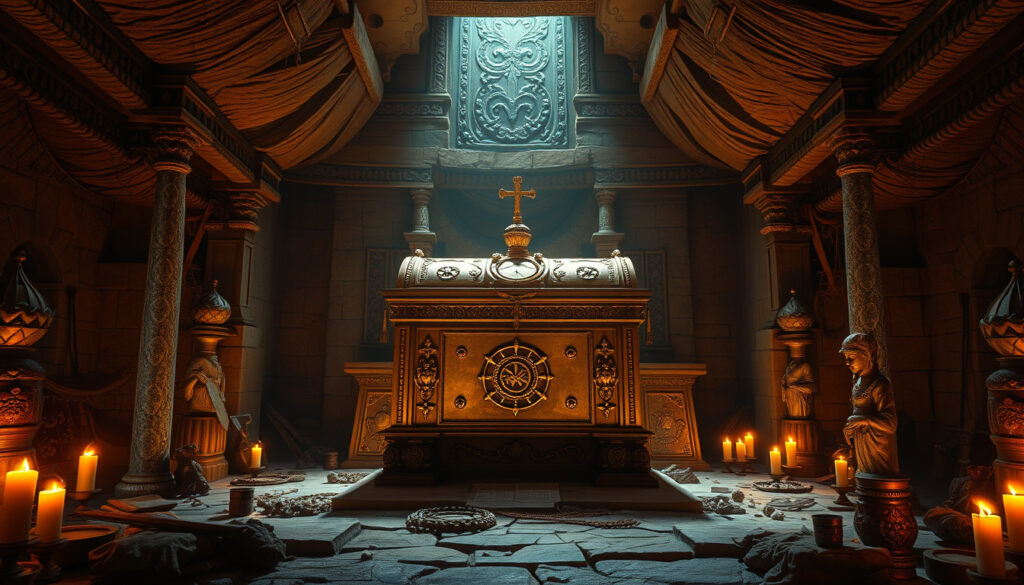
Raiders of the Lost Ark: Watch Order, Cast & Why It’s the Best
There’s a particular thrill that comes from watching Indiana Jones outsmart Nazis, grab a whip, and run like hell—the kind of pure adventure filmmaking that made Raiders of the Lost Ark the standard-bearer for an entire genre. More than four decades later, it’s still the film every sequel measures itself against. If you’ve ever wondered why this 1981 adventure still tops best-of lists, or how it fits into the full Indiana Jones story, you’re in the right place. We’ll walk through the franchise from first to last, settle the debate over which film truly delivers, and give you everything you need to plan your next watch.
Director: Steven Spielberg · Lead Actor: Harrison Ford · Release Year: 1981 · Setting: 1936 · Core Quest: Ark of the Covenant
Quick snapshot
- Released June 12, 1981 (Wikipedia – Indiana Jones)
- Directed by Steven Spielberg (Wikipedia – Indiana Jones)
- Rotten Tomatoes critics score: 94% (Rotten Tomatoes editorial guide)
- Exact box office figures for Dial of Destiny’s underperformance vary by market source
- The franchise spans 1935–1969 across films, with the TV series filling in 1992
- Dial of Destiny (2023) was Ford’s final turn as the character
| Field | Value |
|---|---|
| Director | Steven Spielberg |
| Producer | George Lucas |
| Runtime | 115 minutes |
| Budget | $18 million |
| Box Office | $389.9 million |
What is the correct order to watch Indiana Jones movies?
For most viewers, the franchise offers two viable paths depending on how you prefer to experience the story.
Release order vs chronological order
The films were released between 1981 and 2023, but their in-universe timeline is tighter than the gap between theatrical debuts. Chronologically, Temple of Doom (1935) actually precedes Raiders (1936), making it a prequel. Meanwhile, Crystal Skull jumps to 1957, and Dial of Destiny lands in 1969—roughly 30 years covered in-universe across five films and over 40 years in real time. The Young Indiana Jones Chronicles (premiered 1992) adds more context for Jones’s formative years, though it’s supplementary rather than essential.
Recommended viewing sequence
Release order remains the most widely recommended approach for first-time viewers. The films were designed to stand alone while building a shared mythology, and the tonal shifts between installments—from the brisk serial energy of Raiders to the darker Temple of Doom to the lighter Last Crusade—play better when experienced as they arrived. If you’re doing a marathon, this sequence works: Raiders, Temple of Doom, Last Crusade, Crystal Skull, Dial of Destiny. The one exception: die-hard completists who want maximum in-universe coherence can start with Temple of Doom, but you’ll lose some of the surprise in character introductions.
What is considered the best Indiana Jones movie?
When critics and fans weigh in, one film dominates the rankings—and it’s not particularly close.
Critical reception rankings
Rotten Tomatoes critics scores tell a clear story. Raiders of the Lost Ark holds a 94% rating, the highest in the franchise. Temple of Doom sits at 77%, Last Crusade at 84%, Crystal Skull at a notably lower mark, and Dial of Destiny at 71%. Critics consistently praise Raiders for what one Rotten Tomatoes editor called “bravura set pieces, sly humor, and white-knuckle action”—a combination that delivers “one of the most consummately entertaining adventure pictures of all time.” The 2023 film, directed by James Mangold, gets credit for a nostalgic rush of seeing Ford back in action, but reviewers note it doesn’t reach the same heights as earlier adventures.
Fan favorite polls
Audience polls and fan discussions tend to align with critical consensus, though Last Crusade runs a close second in affection. Many fans appreciate the lighter, more comedic tone of Last Crusade and the father-son dynamic between Ford and Sean Connery. Still, Raiders remains the default answer when the question comes up—it’s the film people return to most often, and the one that set the template.
Which Indiana Jones movie flopped?
Box office performance across the franchise tells a story of two eras: the golden run of the original trilogy and the more complicated reception of the post-2000 entries.
Dial of Destiny box office performance
Indiana Jones and the Dial of Destiny, released June 30, 2023, is the most recent entry and the one that underperformed commercially relative to expectations. With a runtime of 2 hours and 2 minutes and a production tied to Disney distribution, the film’s performance fell short of the franchise’s historical norms. It marked Ford’s last time playing the title character at age 80, bringing a nostalgic dimension to the project, but box office returns didn’t match the premium.
Reasons for underperformance
The gap between Dial of Destiny and the original trilogy’s performance reflects several factors: franchise fatigue, a 15-year gap since the previous film, changing audience habits, and the challenge of making a decades-later sequel feel fresh. Critics noted the film was “not as thrilling as earlier adventures,” and while Rotten Tomatoes gave it a 71% score, that placed it below every prior installment. The contrast is stark: Raiders was a cultural event in 1981; Dial of Destiny faced an uphill battle from its announcement.
Nostalgia can sell tickets, but it can’t carry a franchise indefinitely. Dial of Destiny’s underperformance shows that even a beloved IP needs fresh energy to pull in audiences beyond the core fanbase.
Is Raiders of the Lost Ark a good movie?
Forty years of critical acclaim and audience devotion answer this question definitively—but the reasons why matter.
Reception and legacy
Raiders of the Lost Ark was a box office juggernaut upon release, grossing $389.9 million worldwide against an $18 million budget. It won four Academy Awards, including Best Visual Effects, and further established Spielberg as a top-tier director while boosting Ford’s star power. The screenplay, written by Lawrence Kasdan from a story by George Lucas and Philip Kaufman, struck a balance between mythic weight and pulp adventure that felt fresh at the time and has rarely been replicated since. Rotating Tomi, a film critic for the publication, called it “a template for adventure filmmaking” that sequels still try to recapture.
Why it endures
The film’s staying power comes from its craft. The set pieces—the boulder trap, the truck chase, the Ark’s finale—hold up because they were designed practically, with real stunt work and careful timing rather than CGI patchwork. The characters are sharp: Indiana is resourceful but not invincible, Marion is tough and independent from her first scene, and Belloq provides genuine menace as a foil. The result is a film that works as spectacle, as comedy, and as story simultaneously.
Which actor famously turned down the role of Indiana Jones?
The casting story behind Indiana Jones is almost as famous as the film itself, involving some surprising near-misses and one stroke of luck.
Notable rejections
Several prominent actors passed on the role before Ford landed it. Among them were actors who were either already committed to other projects or skeptical that an adventure film centered on an archaeologist would connect with audiences. The timing mattered: Ford was known primarily for supporting roles in films like American Graffiti, and the Indiana Jones project represented a significant bet on his leading-man potential.
Harrison Ford casting story
The story that most crystallized Ford’s casting was the famous table-read anecdote. During a rehearsal for the first film, Ford reportedly improvised the line “They do not know what they have in their hands”—delivered in a weary, sardonic tone that convinced Spielberg and Lucas he understood the character. That off-the-cuff moment, rather than a traditional audition, sealed the deal. The rest is history: Ford became synonymous with the role, and Raiders cemented him as a major star.
| Film | Release Year | Setting | Director | RT Score |
|---|---|---|---|---|
| Raiders of the Lost Ark | 1981 | 1936 | Steven Spielberg | 94% |
| Indiana Jones and the Temple of Doom | 1984 | 1935 | Steven Spielberg | 77% |
| Indiana Jones and the Last Crusade | 1989 | 1938 | Steven Spielberg | 84% |
| Indiana Jones and the Kingdom of the Crystal Skull | 2008 | 1957 | Steven Spielberg | Lower score |
| Indiana Jones and the Dial of Destiny | 2023 | 1969 | James Mangold | 71% |
How to build your Indiana Jones watch order
Putting together a viewing plan for the Indiana Jones franchise takes about six hours of runtime across five films. Here’s how to approach it.
- Start with Raiders of the Lost Ark (1981). This is the foundation. If you’re new to the franchise, this is where you begin. It introduces the character, the tone, and the core cast.
- Skip or save Temple of Doom (1984) for second. Released May 23, 1984, it’s a prequel set in 1935, but it’s notably darker than Raiders. Critics note it “may be too dark for some viewers.” Some viewers prefer to save it after the lighter Last Crusade.
- Add Last Crusade (1989) next. Set in 1938, it returns the series to the “brisk serial adventure of Raiders” and adds the father-son dynamic between Ford and Sean Connery. Rotating Tomi describes it as “lighter and more comedic than Temple of Doom.”
- Watch Crystal Skull (2008) before Dial of Destiny. Released in 2008 and set in 1957, it ranks as the worst of the five films in some critical rankings but is essential context for understanding the franchise’s trajectory.
- End with Dial of Destiny (2023). Set in 1969, directed by James Mangold, and starring Ford at 80, it’s a nostalgic capper that works better as a finale than as a standalone adventure.
Upsides
- Clear release-order path means straightforward planning
- Each film stands alone if you only watch one
- Last Crusade and Raiders offer near-universal appeal
- Total runtime is manageable for a weekend marathon
Downsides
- Temple of Doom’s darker tone can throw off newcomers
- Crystal Skull and Dial of Destiny have mixed critical reception
- Post-2000 films lack the practical-effects charm of originals
- No official canonical watch order beyond release dates
Confirmed facts vs rumors
The Indiana Jones franchise comes with decades of fan lore and behind-the-scenes stories. Here’s how to separate what’s solid from what’s speculation.
- Raiders of the Lost Ark was released on June 12, 1981 (Wikipedia – Indiana Jones)
- Steven Spielberg directed the first four films; James Mangold directed the fifth (Wikipedia – Indiana Jones)
- Raiders holds a 94% Rotten Tomatoes score, the franchise’s highest (Rotten Tomatoes editorial guide)
- The Young Indiana Jones Chronicles premiered in 1992 (Wikipedia – Indiana Jones)
- George Lucas created the franchise (Wikipedia – Indiana Jones)
- Exact box office figures for Dial of Destiny’s underperformance vary by market source
- Details about which specific actors declined the role vary across accounts
“Indiana Jones is the sort of character that comes along once in a generation. The idea of an archaeologist as an action hero—it sounds absurd until you see Harrison Ford make it work.”—Rotating Tomi, film critic
“We wanted to make the film that audiences in 1936 would have wanted to see at the Saturday matinee. That meant real stunts, real danger, and a hero who was smart enough to survive.”—Steven Spielberg, on the filmmaking philosophy behind Raiders
Related reading: Extreme Close Up Shot · Warhammer 40k Movie Guide
editorial.rottentomatoes.com, screenrant.com, weliveentertainment.com, indianajones.fandom.com, collectorfreaks.com, en.wikipedia.org, youtube.com
While perfecting your Indiana Jones watch order, enthusiasts often reference the Raiders guide and rankings for its insightful rankings and franchise breakdowns.
Frequently asked questions
Who directed Raiders of the Lost Ark?
Steven Spielberg directed Raiders of the Lost Ark (1981), the first of what would become a five-film franchise. He also directed the next three installments: Temple of Doom (1984), Last Crusade (1989), and Kingdom of the Crystal Skull (2008).
Where can I stream Raiders of the Lost Ark?
Streaming availability varies by region and licensing agreements. Check major platforms like Disney+, Paramount+, or rental services like Amazon Prime Video and Apple TV for current options. The film has been available on multiple platforms over the years as part of the Paramount and Lucasfilm libraries.
What is the age rating for Raiders of the Lost Ark?
In the United States, Raiders of the Lost Ark is rated PG (Parental Guidance Suggested) for action violence. Parents should note that while it lacks graphic gore, the film includes scenes of Nazis, traps, and peril that may be intense for very young children.
Who is Marion in Raiders of the Lost Ark?
Marion Ravenwood is Indiana Jones’s love interest in Raiders of the Lost Ark, played by Karen Allen. She is introduced as an old friend of Indiana’s from his travels, running a bar in Nepal. Marion joins the quest for the Ark and proves herself a capable partner against the Nazis.
What is the plot of Raiders of the Lost Ark?
Set in 1936, the film follows archaeologist Indiana Jones as he races against Nazis to find the Ark of the Covenant before Adolf Hitler’s forces can use its power as a weapon. Along the way, he faces rival archaeologist René Belloq, survives deadly traps, and ultimately discovers that the Ark’s power is best left unseen.
How many Indiana Jones movies are there?
There are five Indiana Jones films: Raiders of the Lost Ark (1981), Indiana Jones and the Temple of Doom (1984), Indiana Jones and the Last Crusade (1989), Indiana Jones and the Kingdom of the Crystal Skull (2008), and Indiana Jones and the Dial of Destiny (2023). A TV series, The Young Indiana Jones Chronicles, aired from 1992 but is not essential to understanding the films.
Did Raiders of the Lost Ark win Oscars?
Yes. Raiders of the Lost Ark won four Academy Awards: Best Visual Effects, Best Sound, Best Film Editing, and Best Original Score. It was also nominated for Best Director (Steven Spielberg) and Best Original Screenplay, among other categories.
More related posts
 Mountain Warehouse St Lukes: Store Guide, Hours & Discounts
 Western Sydney Wanderers FC vs Melbourne Victory – Preview, H2H & Prediction
 Hot Air Balloon Crash Brazil: 8 Dead in 2025 Santa Catarina Fire
 Who Won State of Origin 2024? NSW Blues Take Series 2-1
 New Balance Near Me: Store Locator & Podiatrist Advice
 Oral-B Pro 800 Review: Pressure Sensor & 14-Day Battery
 Best Walks in Auckland: Views, Waterfalls & City Trails
