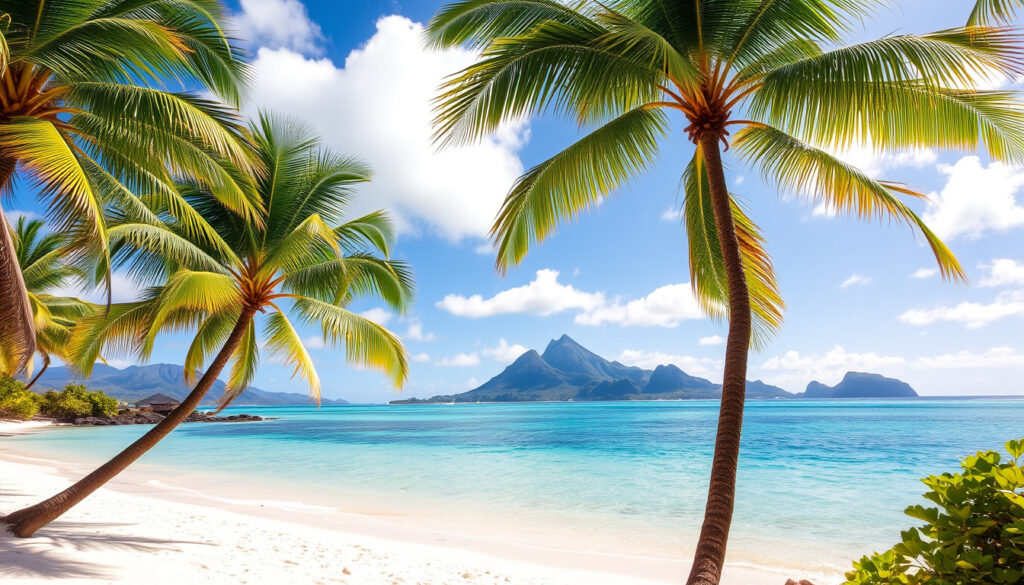
Things to Do in Nadi, Fiji: Top Attractions & Travel Guide
You’ve just landed at Nadi International Airport, and the question hits: is there more to this town than resort check-ins? Absolutely. Nadi is the main gateway to Fiji’s islands, but it’s also home to the largest Hindu temple in the Southern Hemisphere, a market that smells like ripe papayas, and hot springs where you can slather yourself in mineral mud. Here’s your practical guide to the best things to do in Nadi, with the facts that actually matter.
Population of Nadi: 71,000 ·
Distance from Nadi Airport to city center: 10 km ·
Top attractions listed on TripAdvisor: 50+ ·
Average daily budget for tourists: $80–$100 USD
Quick snapshot
- Sri Siva Subramaniya Temple is Nadi’s most recognized landmark (Lonely Planet travel guide)
- The Garden of the Sleeping Giant holds over 2,000 orchid varieties (Viator activity listings)
- Nadi Fresh Market sells seasonal produce like papayas, coconuts, and eggplants (Lonely Planet)
- Exact crime rates for tourist areas in Nadi are not regularly published by local authorities
- Long-term weather patterns during cyclone season (November–April) can change quickly
- Sri Siva Subramaniya Temple opens for guided tours from 8:30 am to 3:00 pm daily (Fiji Travel official site)
- Most visitors use Nadi as a launch point for island day trips to the Mamanuca and Yasawa groups (Expedia travel guide)
Five key facts that define Nadi as a destination — note the recurring pattern: the town is small but acts as Fiji’s primary arrival point and day-trip base.
| Category | Detail |
|---|---|
| Island | Viti Levu |
| Main Airport | Nadi International Airport (NAN) – primary international gateway (Kayak travel guide) |
| Currency | Fijian Dollar (FJD) |
| Time Zone | UTC+12 |
| Population | 71,000 (Fiji Pocket Guide) |
| Top Attraction | Sri Siva Subramaniya Temple (#1 on TripAdvisor) |
| Day Trip Marina | Port Denarau – departure point for 99% of scuba day trips (Dive Adventures) |
Is there anything to do in Nadi, Fiji?
Top attractions in Nadi
- Sri Siva Subramaniya Temple — guided tours every half hour from 8:30 am to 3:00 pm, modest dress required (Fiji Travel official site)
- Garden of the Sleeping Giant — founded in 1977 by actor Raymond Burr, over 2,000 orchid species (Viator activity listings)
- Sabeto Hot Springs and Mud Pools — mineral-rich mud application and soaking pools, massages available (Lonely Planet)
Cultural experiences
- Nadi Handicraft Market — local woodcarvings, woven baskets, and kava root (Lonely Planet)
- Fiji Culture Village — traditional fire walking, meke dance performances, and lovo feast
Outdoor activities
- Zip-lining at Zip Fiji — canopy tours over the Sabeto valley
- River tubing on the Nadi River — offered by local operators
- Jet boat rides from Port Denarau — quick access to offshore islands
The pattern: Nadi functions as a one-stop shop for culture, nature, and adventure — but none of these attractions require a full day. That’s by design, because the real draw is what lies offshore.
Is Nadi in Fiji worth visiting?
Reasons to visit Nadi
- It is the arrival point for most international flights — you’re already here (Fiji Travel)
- Sri Siva Subramaniya Temple is a dazzling example of southern Indian Dravidian architecture (Lonely Planet)
- The market offers the cheapest fresh produce on the island — mangoes and avocados when in season
Potential drawbacks
- Some travelers use Nadi purely as a transit hub and skip exploring the town itself
- Accommodation near the airport can be underwhelming compared to Denarau resorts
- Evening options are limited to a handful of restaurants and bars
How Nadi compares to other Fiji destinations
- Nadi is more urban and functional than the beach resorts of the Coral Coast or the islands
- It offers the most authentic Fijian-Indian food scene — Roti Corner serves excellent curry parcels (Lonely Planet)
- Compared to Suva, Nadi is smaller, more tourism-oriented, and closer to the main airport
Nadi is worth a day or two for travelers who want a taste of real Fiji beyond the resort bubble. If you’re after pristine beaches and total seclusion, treat Nadi as a launchpad, not the destination. The 30-minute boat ride to the Mamanuca Islands changes everything.
The catch: Nadi is best valued as a stopover, not a stayover. The town’s strength is its role as a springboard — and that’s exactly what makes it worth a short visit.
Is Nadi safe to walk around?
Daytime safety
- Nadi is generally safe for tourists during daylight hours — petty theft is the main concern (Fiji Travel)
- Tourist police patrol main areas, including the market and temple precincts
Nighttime precautions
- Avoid walking alone after dark on side streets and poorly lit roads
- Use taxis from registered companies for short distances — fares are low (around FJD 5–10 within town)
Common scams and tips
- Beggars near the temple may be persistent — a polite “no” is sufficient
- Unofficial tour guides sometimes approach at the market; verify credentials through your hotel
- Keep valuables out of sight, especially phones and cameras in crowded areas
Daytime in Nadi is as safe as most Pacific towns, but the risk rises sharply after sunset. Budget-conscious solo travelers should plan evening activities around well-lit restaurant strips (Martintar area) and avoid the unlit streets near the bus station.
Why this matters: safety perceptions affect how long visitors stay. Nadi’s daytime walkability is a genuine asset — the evening limitation is a trade-off that most visitors can manage with a short taxi ride.
What is Nadi famous for?
Sri Siva Subramaniya Temple
- The largest Hindu temple in the Southern Hemisphere (Lonely Planet)
- Features elaborate Dravidian-style carvings and a towering gopuram visible from the main road
- Guided tours every 30 minutes; a small fee applies (around FJD 5)
Nadi Market and handicrafts
- Fresh produce section: papayas, coconuts, cucumbers, eggplants, bananas year-round; mangoes and avocados seasonally (Lonely Planet)
- Handicraft section: coconut oil, woven baskets, sulus (sarongs), and tapa cloth
- Best visited in the morning before the heat peaks
Proximity to Port Denarau and Mamanuca Islands
- Port Denarau is a 15-minute drive from Nadi town — shopping, dining, and island ferry departures (Expedia travel guide)
- Ferries to the Mamanuca Islands run multiple times daily (South Sea Cruises, fee around FJD 150 round-trip)
- The Yasawa Flyer catamaran connects Nadi to the more remote Yasawa Islands
The pattern: Nadi’s fame is threefold — a cultural landmark, a fresh produce hub, and a logistics node. No other town in Fiji combines these roles in one place.
What to do in Nadi, Fiji for a day?
Morning: Temple and market
- 8:30 am – 9:30 am: Guided tour of Sri Siva Subramaniya Temple (arrive early for the first tour) (Fiji Travel official site)
- 10:00 am – 11:00 am: Nadi Fresh Market — buy seasonal fruit and a coconut oil souvenir
Afternoon: Garden of the Sleeping Giant
- 11:30 am – 1:30 pm: Garden of the Sleeping Giant — orchid trail and canopy walk (Viator activity listings)
- Lunch at a nearby Fijian-Indian restaurant (try Roti Corner or Nadina Authentic Fijian Restaurant)
Evening: Hot springs and local dining
- 2:30 pm – 4:30 pm: Sabeto Mud Pools and Hot Springs — apply mud, soak, and relax (Lonely Planet)
- 6:00 pm onwards: Dinner at a local eatery in the Martintar area
The implication: Nadi can be fully experienced in a single day if you start early. Most visitors who skip this itinerary miss the town’s best-kept secret: the mud pools are genuinely therapeutic, not just a tourist gimmick.
Pros and cons of visiting Nadi
Upsides
- Convenient main gateway with affordable accommodation options
- One of the best fresh produce markets in the South Pacific
- Strong Fijian-Indian food scene (Roti Corner, Fiji Indian restaurants)
- Easy access to Port Denarau and island day trips
- Cultural diversity — temple, mosque, and church within walking distance
Downsides
- Not a beach destination — shoreline is mostly mangroves and industrial areas
- Evening entertainment is limited to a few bars and restaurants
- Streets can feel unsafe after dark in certain areas
- Accommodation near the airport is convenient but lacks charm
- Tourist-focused businesses can charge inflated prices compared to Suva
The implication: Nadi is a functional hub that rewards short stays, but its limitations make it best enjoyed as a base rather than a final destination.
What we know and what remains unclear
Confirmed facts about Nadi
- Located on Fiji’s main island, Viti Levu
- Sri Siva Subramaniya Temple is the largest Hindu temple in the Southern Hemisphere (Lonely Planet)
- Garden of the Sleeping Giant houses over 2,000 orchid varieties (Viator)
- Nadi International Airport handles all international tourist arrivals (Kayak)
What remains unclear about Nadi
- Official crime statistics specifically for the Nadi tourist zone are not published
- Long-term occupancy rates for budget accommodation are unavailable
- Weather-related disruptions during cyclone season (Nov–Apr) can alter itineraries without warning
- Sabeto Mud Pools’ daily availability and operating hours are not consistently reported by official sources
What this means: the confirmed facts give a solid foundation, but visitors should plan for flexibility regarding weather and local conditions.
What travelers and experts say
“Nadi is Fiji’s transport hub — it’s where you land, where you rent a car, and where you catch the ferry. But the town itself rewards those who linger with a fascinating Hindu temple and a market that feels a world away from the resorts.”
Lonely Planet guide to Nadi
“Fiji welcomes visitors to experience its unique blend of cultures — from the traditional Fijian village life to the vibrant Indian heritage that thrives in Nadi. The town offers a genuine taste of the country’s diversity.”
Fiji High Commission visitor information
“Nadi is more than a transit stop. The temple alone is worth the visit — it’s a dazzling piece of architecture that you wouldn’t expect to find in a small Pacific island town.”
“The mud pool experience at Sabeto is genuinely relaxing. You cover yourself in grey clay, let it dry, then soak in the natural hot springs. It’s a bit of a ritual — and it’s absolutely free of the polished resort vibe.”
Lonely Planet travel editor
The pattern: expert voices consistently highlight Nadi’s role as a gateway, but also its cultural depth — the temple and mud pools emerge as genuine highlights.
Frequently asked questions
Is Fiji nicer than Bali?
Both are beautiful, but they offer different experiences. Fiji is less crowded, has higher-quality beaches, and is more family-oriented. Bali has more temples, nightlife, and budget options. Fiji is generally more expensive. For a relaxing island escape, Fiji wins; for cultural immersion and affordability, Bali leads.
Is Fiji cheap or expensive?
Fiji is mid-range to expensive compared to Southeast Asia but comparable to other South Pacific destinations. A daily budget of $80–$100 USD covers a basic hotel and meals. Resorts are significantly pricier. Nadi itself offers some affordable street food options, like Roti Corner.
Are Fijians friendly to tourists?
Yes, Fiji is known for its friendly and welcoming people. The local term is “bula spirit.” Visitors consistently report feeling welcomed, though as in any destination, standard safety precautions apply.
What is the best time to visit Nadi?
The dry season from May to October offers the most comfortable weather with lower humidity and less rain. The wet season (November to April) is hotter and more humid, with a higher chance of tropical storms. Prices are lower in the wet season.
How many days do you need in Nadi?
One full day is enough to see the main attractions: temple, market, garden, and hot springs. If you plan to include a day trip to Port Denarau or the Mamanuca Islands, budget two days in Nadi. Most visitors use it as a stopover before heading to the islands.
The takeaway: these answers cover the most common pre-trip questions, giving travelers a practical baseline for planning their Nadi stopover.
Why Nadi deserves more than a layover
Nadi is often dismissed as a transit town, but the evidence says otherwise. The temple is a genuine architectural wonder, the market provides the island’s best fresh food at the lowest prices, and the mud pools offer a natural spa experience you won’t find in a resort. For the traveler arriving on a stopover, the choice is clear: spend a half-day rushing through, or commit to a full day and discover why Fiji’s gateway town is a destination in its own right. The longer you stay, the more authentic the picture becomes.
If you’re planning a broader Pacific trip, check out our guide to Free Things to Do in Queenstown and Best Walks in Auckland for more travel inspiration.
More related posts
 What Does the Green Dot Mean on Snapchat? (Meaning & Duration)
 Poison Tree Tattoo Meaning and Symbolism Explained
 NZ OCR Rate Cut Assessment: IMF 2025 Outlook
 Best Washing Machine NZ 2026: Canstar Top Brands
 Meghan and Harry Latest: What’s Happening Now? (2025 News)
 When Did PS4 Come Out? Release Dates, Lifespan & 2026 Status
 What Is Secondary School? Meaning, Examples, and Differences
 Nottm Forest vs Man City: Facts, Results & Impact on Title
